The Story and the Archive
Echoes of a Cossack Exile
A short true story from the Ukrainian borderlands of the Russian Empire, pieced together from a handful of surviving records. It follows one man forced into exile, the documents that nearly disappeared, and what is lost when a nation’s history is scattered or destroyed.
You’ll receive a link to read The Story and the Archive online, plus occasional updates about The Quiet That Remains and related work on Ukraine’s twentieth century.
A Fragment in the Archives
Stories like this matter because they insist that one person’s life is not an afterthought of empire. When the record has been cut down to the barest minimum, telling the story becomes a way of refusing that erasure.
Inside the Story
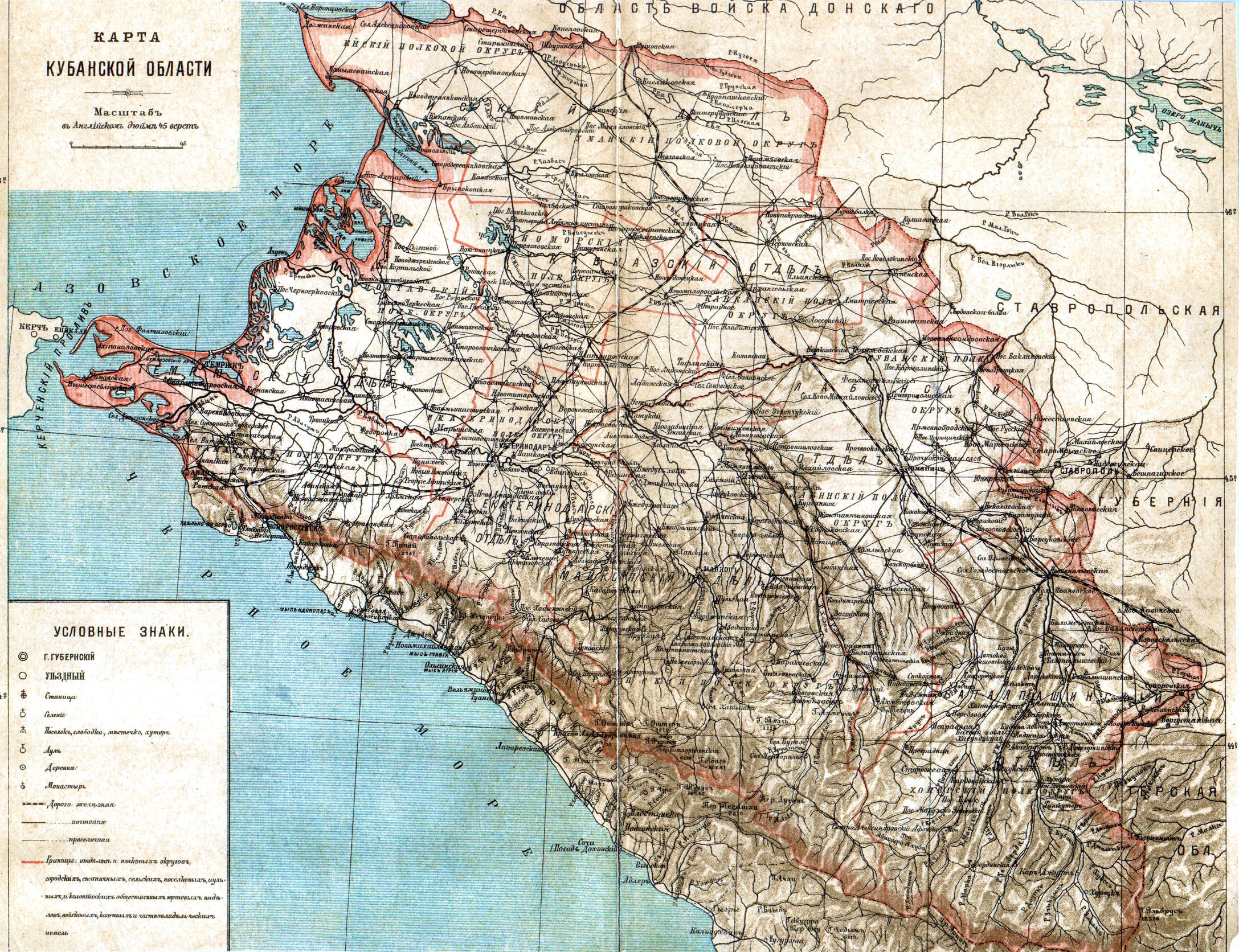
The piece follows a Cossack descendant pushed out of his home region in the early twentieth century. His life surfaces only in fragments: a parish note, a bureaucratic line in an imperial record, a scrap of later testimony. The narrative walks through how those fragments were found and what they reveal – and what they refuse to give back.
Rather than offering a neat family saga, it shows how fragile identity becomes when empires redraw borders, archives are purged, and lives are reduced to numbers on a card. It’s a small story, but it speaks to a larger question at the heart of both this microhistory and The Quiet That Remains: who gets to have their past recorded, and who disappears from the record?
This piece may interest you if…
- You’re interested in Ukraine’s history beyond headlines and simplified wartime narratives.
- Seeing how archival work actually happens - how a life is reconstructed from damaged or partial records — appeals to you.
- Questions of identity, exile, and historical erasure are of interest.
- You’ve enjoyed, or are curious about, The Quiet That Remains and would like a smaller, standalone story in the same moral landscape.
Behind the Research
When I was researching The Quiet That Remains, I kept returning to the same tension: whole communities had been uprooted or starved, yet in the archive they survived as a few faint signatures, a household number, a single line in a deportation list. The story in this microhistory comes from a different branch of research, but it lives in that same tension between lived experience and what was allowed to be written down.
The method is simple but demanding: follow every scrap. Read parish books and police files together. Ask what’s missing from the page. Treat each document not as neutral evidence, but as something produced inside a system that was trying to manage – and sometimes erase – Ukrainian lives.
If you’d like the full story beyond this fragment, The Quiet That Remains is available in hardback, paperback, and ebook.